Source Waterproof Inflatable Sports Car for Racing, Events, and Play
Explore 30 listings for the waterproof inflatable sports car, comparing options like racing cars, cartoon characters, and golf carts. Buyers can evaluate sizes, certifications, and customization features from verified Chinese suppliers.
Key considerations
Products List





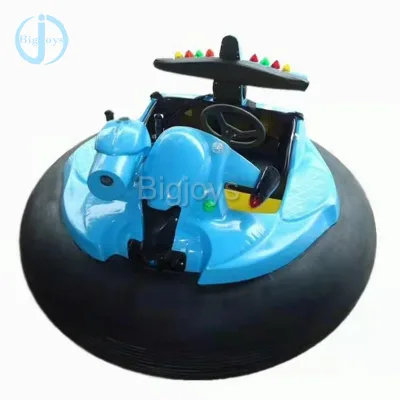
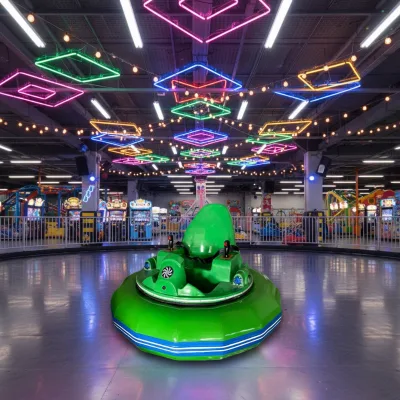


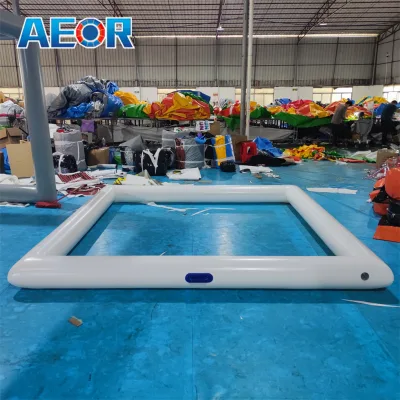


Comprehensive Sourcing Guide
Sourcing Guide for Waterproof Inflatable Sports Cars
Understanding Product Definitions and Core Attributes
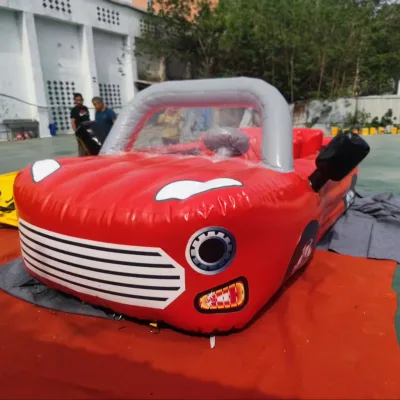
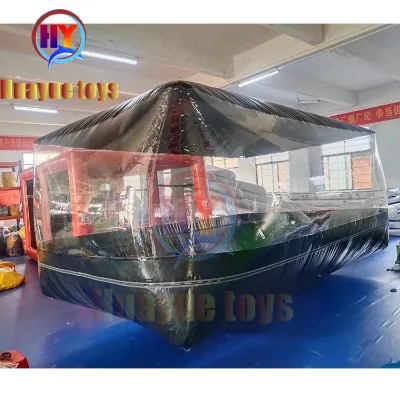
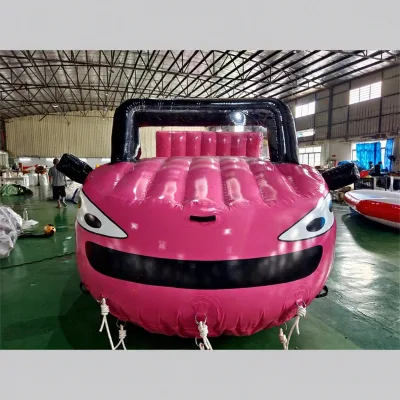
When sourcing a waterproof inflatable sports car, buyers must first distinguish between the specific variations available in the current market. The product category is not monolithic; it encompasses distinct models ranging from recreational inflatables to professional-grade equipment. Based on current market observations, the core product line includes the "Inflatable Race Car," "Inflatable Cartoon Character" variants, and specialized "Custom Inflatable Golf Cart Models." These items are primarily constructed from durable PVC materials, which provide the necessary waterproofing and structural integrity required for sports and recreational use.
The physical dimensions of these units vary significantly depending on the intended application. Market data indicates that standard sizes often range from 2 to 5 meters in height, with specific models like the "Inflatable Racing Car" offering a base size of 5 meters that can be customized. Other variations, such as the "Inflatable Towable Car," may feature a size of 3.6 meters or larger, with customization options available to meet specific event requirements. The material composition is a critical factor; most units utilize 0.9mm PVC Tarpaulin for the hull or body, ensuring resistance to water ingress and abrasion. This material choice supports the "Waterproof" aspect of the keyword, making the products suitable for both land-based advertising and water-based towing applications.
Buyers should note that the "Style" of the inflatable can vary from realistic race car designs to cartoon characters, depending on the target demographic. The "Age" suitability also shifts across the product line; some units are designed for children aged 3 to 18 years, while others are explicitly rated for adults over 18 years. This distinction is vital for procurement planning, as it dictates the safety features and structural load requirements. The "Condition" of the products is consistently listed as "New," and they are typically supplied with a warranty period of 2 years, which serves as a baseline expectation for quality assurance in this sector.
Technical Specifications and Performance Parameters
Evaluating the technical specifications of waterproof inflatable sports cars requires a close examination of capacity, blower systems, and structural standards. The load-bearing capacity is a primary technical differentiator. Some models, such as the "Custom Inflatable Golf Cart Model," are engineered with a maximum capacity exceeding 500kg, indicating robust construction suitable for heavy-duty use or multiple passengers. In contrast, other inflatable towable tubes are rated for a maximum capacity of less than 100kg, aligning with lighter recreational use. The seating capacity also varies, with certain models supporting up to 10 seats, while others are designed for single or dual occupancy.
The inflation system is another critical technical component. The product listings consistently highlight the use of either a "Constant Blower" or an "Airtight" design. For applications requiring continuous movement or sustained pressure, a constant blower is essential to maintain the shape and stability of the inflatable. Conversely, airtight designs rely on high-quality seams and materials to retain air, reducing the need for continuous power consumption. The "Engine" specification for these units is universally "No," confirming that they are non-motorized and rely on external towing or wind power for movement. This is particularly relevant for "Towable Tube-8" models and similar inflatables where the propulsion comes from a boat or vehicle.
Standardization of the product is another key technical aspect. While many units adhere to a "Custom" standard, allowing for bespoke dimensions and designs, others follow specific size protocols such as 5 meters or 3.6 meters. The "Allowable Passenger" count is often linked to certification requirements, with some models requiring specific certifications like CE or CCC to validate their safety for human occupancy. The "Using Field" is generally categorized as "Field," suggesting versatility in deployment across various outdoor environments. The "Application" is frequently described as "Professional Equipment," indicating that these are not merely toys but functional tools for advertising, events, or professional sports activities.
Compliance, Certification, and Safety Standards
Navigating the compliance landscape for inflatable sports cars is essential for international procurement. The market data reveals a diverse array of certifications, reflecting the global nature of the supply chain. Common certifications observed include CE, UL, SGS, and UV ratings. These certifications are crucial for verifying that the materials and construction methods meet international safety and quality benchmarks. For instance, the CE mark indicates conformity with health, safety, and environmental protection standards for products sold within the European Economic Area. Similarly, UL certification is a recognized standard for safety in the United States, often required for electrical components like blowers or lighting systems integrated into the inflatable.
Beyond general certifications, specific standards govern the structural integrity and material safety of these products. Some listings reference the "Austraia Standard," alongside CE, UL, and GS marks, suggesting compliance with rigorous Australian safety protocols. For water-based applications, certifications such as ISO, GL/EC, CE, and CCS (China Classification Society) may be relevant, particularly for models classified as rubber boats or towable tubes. The "Standard" field also frequently mentions EN 71-8 and EN 14960, which are European standards related to safety of toys and inflatable structures, respectively. Buyers must verify that the specific model they intend to purchase holds the necessary certifications for their target market, as a product certified for the European market may not automatically satisfy US or Australian regulatory requirements.
The "Certification" attribute often appears in conjunction with the "Allowable Passenger" count, implying a direct link between safety validation and usage limits. For example, a model allowing a specific number of passengers may require CCC or ISO certification to ensure that the load limits are safe for human occupancy. It is important to note that while "Certification: CE" is a high-confidence fact, other certifications like "CCC, ISOCE" are listed with lower confidence or as conditional attributes. Buyers should request valid, up-to-date certification documents from suppliers rather than relying solely on product descriptions. The presence of a "Warranty: 2 Years" also serves as an indirect indicator of compliance, as manufacturers are more likely to offer extended warranties for products that meet rigorous safety standards.
Cost Drivers and Pricing Structures
The pricing of waterproof inflatable sports cars is influenced by a complex interplay of factors, including size, material thickness, customization level, and certification requirements. The observed price range in the market spans from $8.75 to $3,000 USD, reflecting the vast diversity in product complexity. The lower end of the spectrum typically corresponds to smaller, non-customized units with standard dimensions and basic materials. In contrast, the upper end of the price range is associated with large-scale, custom-designed inflatables, such as the 5-meter "Inflatable Race Car" or professional-grade "Custom Inflatable Golf Cart Models" that require specialized engineering and high-grade PVC materials.
Material costs are a significant driver of price variation. The use of 0.9mm PVC Tarpaulin is standard, but thicker or reinforced materials will increase the cost. Customization is a major cost factor; while the "Customization" attribute is listed as "Available," the extent of customization—such as unique branding, specific color schemes (Red, Blue, Green, Yellow), or non-standard dimensions—directly impacts the final price. The "Standard" of 5m or 3.6m may serve as a baseline, but any deviation from these standard sizes will likely incur additional charges. Additionally, the inclusion of accessories like constant blowers, repair kits, or specialized packing (PVC Bag or Carton) can add to the overall cost.
Minimum Order Quantity (MOQ) also plays a role in the effective unit cost. The observed MOQ range is from 1 to 1000 units. Buyers ordering small quantities, such as 1 piece, may face higher per-unit costs due to the fixed costs of production setup and logistics. Conversely, bulk orders can leverage economies of scale to reduce the unit price. The "Delivery Time" of 3-4 days after payment suggests a relatively efficient production cycle, which can help mitigate holding costs for buyers. However, shipping costs, particularly for large items like the 5-meter inflatables, can be substantial and vary based on the mode of transport (by Sea or by Air). Buyers should factor in these logistical costs when evaluating the total cost of ownership.
Typical Applications and Usage Scenarios
Waterproof inflatable sports cars serve a wide range of applications, from advertising and marketing to professional sports and recreational events. The "Using Field" is broadly categorized as "Field," indicating suitability for outdoor environments. One of the primary applications is advertising. The "Inflatable Race Car" and "Inflatable Cartoon Character" models are frequently used as eye-catching displays at trade shows, car dealerships, and promotional events. Their vibrant colors and large size make them effective tools for brand visibility and customer engagement.
In the realm of professional equipment, these inflatables are utilized for sports training and entertainment. The "Custom Inflatable Golf Cart Model" and "Towable Tube-8" are designed for active use, providing a safe and engaging way for participants to experience speed and motion. The "Age" suitability ranges from 3 to 18 years for children's activities to over 18 years for adult recreational use. This versatility allows buyers to target different demographics with the same product line. The "Application" as "Professional Equipment" suggests that these units are robust enough for frequent use in commercial settings, such as amusement parks, water parks, and event management companies.
The "Condition" of being "New" and the "Warranty" of 2 years make these products suitable for long-term deployment. The "Style" of the inflatable can be tailored to specific themes, such as racing or cartoon characters, enhancing the thematic consistency of an event. For water-based applications, the "Towable Tube-8" and similar models are designed to be towed behind boats, providing a thrilling experience for water sports enthusiasts. The "Max Capacity" of these units ensures they can handle the dynamic forces associated with towing and rapid movement. Buyers should consider the specific environment where the inflatable will be used, as factors like wind, water conditions, and surface type can influence the choice of model and the necessary safety features.
Supplier Evaluation and Quality Control Protocols
Evaluating suppliers for waterproof inflatable sports cars requires a rigorous approach to quality control and verification. The "Place of Origin" is consistently listed as China, with specific mentions of Henan as a production hub. While this provides a geographical context, buyers must look beyond the origin to assess the supplier's capabilities. The "Standard" of the product, whether it is "Custom" or adheres to specific size protocols, is a key indicator of the supplier's flexibility and manufacturing precision. Buyers should verify that the supplier has a proven track record of meeting the "Standard" requirements, such as the 5m or 3.6m dimensions, without compromising on quality.
Quality control should focus on the material integrity and construction methods. The use of 0.9mm PVC Tarpaulin is a standard, but buyers should request samples or detailed specifications to ensure the material meets the required thickness and durability standards. The "prod_packing" of PVC Bag or Carton is essential for protecting the product during transit, and buyers should verify that the packaging is robust enough to prevent damage. The "Warranty: 2 Years" is a strong indicator of supplier confidence, but buyers should clarify the terms of the warranty, including what is covered and the process for claims.
Certification verification is a critical step in supplier evaluation. Buyers should request copies of the CE, UL, SGS, and other relevant certifications to ensure they are valid and applicable to the specific model. The "Allowable Passenger" count should be cross-referenced with the certification documents to ensure that the supplier has not overstated the safety limits. Additionally, the "Delivery Time" of 3-4 days after payment suggests a responsive supply chain, but buyers should confirm the actual lead time for custom orders, as these may take longer. The "MOQ" of 1 piece allows for small-scale testing, which is a valuable tool for buyers to assess the product quality before committing to larger orders.
Long-Term Procurement and Operational Considerations
Long-term procurement of waterproof inflatable sports cars involves considerations beyond the initial purchase, including maintenance, storage, and lifecycle management. The "Warranty: 2 Years" provides a baseline for product reliability, but buyers should plan for ongoing maintenance to extend the lifespan of the inflatables. Regular inspection of the PVC material for tears, punctures, or seam failures is essential, especially for units used in high-stress environments. The "Blower" system, whether constant or airtight, requires periodic maintenance to ensure optimal performance and energy efficiency.
Storage is another critical factor. The "prod_packing" of PVC Bag or Carton is designed for transport, but long-term storage requires proper conditions to prevent material degradation. Buyers should ensure that the storage environment is dry, cool, and free from direct sunlight to prevent UV damage to the PVC material. The "Condition" of the product should be monitored regularly, and any signs of wear and tear should be addressed promptly to prevent further damage.
For buyers planning to scale their operations, the "Customization" capability of the supplier is a key consideration. The ability to customize the size, color, and design allows for brand consistency and adaptability to changing market needs. The "Standard" of 5m or 3.6m can serve as a baseline, but the flexibility to create unique designs is a significant advantage. Buyers should also consider the "Delivery Time" and "MOQ" when planning their inventory. A lead time of 3-4 days is efficient, but buyers should account for potential delays in custom orders. Finally, the "Application" as "Professional Equipment" suggests that these products are designed for frequent use, and buyers should invest in high-quality units that can withstand the demands of their specific operational environment.
FAQs
What certifications are available for waterproof inflatable sports cars?
Common certifications include CE, UL, SGS, and UV ratings. Some models also meet Australia Standard, GS, ISO, GL/EC, and CCS requirements. Buyers must verify specific documents for their target market as standards vary by region and application type.
Can I customize the size and color of these inflatables?
Yes, customization is available for size, color, and design. Standard sizes range from 2 to 5 meters, with options like 3.6 meters or fully custom dimensions. Colors include red, blue, green, and yellow, or specific requirements from the buyer.
What is the delivery time after payment for these products?
The delivery time is typically 3 to 4 days after payment. This rapid turnaround applies to standard production cycles. However, complex custom orders or large quantities may require additional processing time depending on factory capacity and logistics.
What materials are used to construct waterproof inflatable sports cars?
These units are primarily constructed from durable PVC materials, specifically 0.9mm PVC Tarpaulin for the hull. This material ensures waterproofing and structural integrity. The condition is listed as new, and they are packed in PVC bags or cartons for export.
What is the maximum passenger capacity for these inflatable vehicles?
Capacity varies by model, with some supporting over 500kg and others under 100kg. Specific models offer up to 10 seats. The allowable passenger count is often linked to safety certifications like CE or CCC to ensure structural safety during use.
Do these inflatable sports cars require an engine for operation?
No, these units do not have engines and are non-motorized. They rely on external towing or wind power for movement. Some models use a constant blower or airtight design to maintain shape, while others are towable tubes for water sports.
What is the warranty period for waterproof inflatable sports cars?
The standard warranty period is 2 years. This coverage applies to the product condition and structural integrity. It serves as a baseline for quality assurance, indicating that manufacturers stand behind the durability of the PVC materials and construction methods.